It started under warranty
A written factory or certified pre-owned warranty covered the concern when it first appeared. An expired warranty today does not necessarily erase that history.
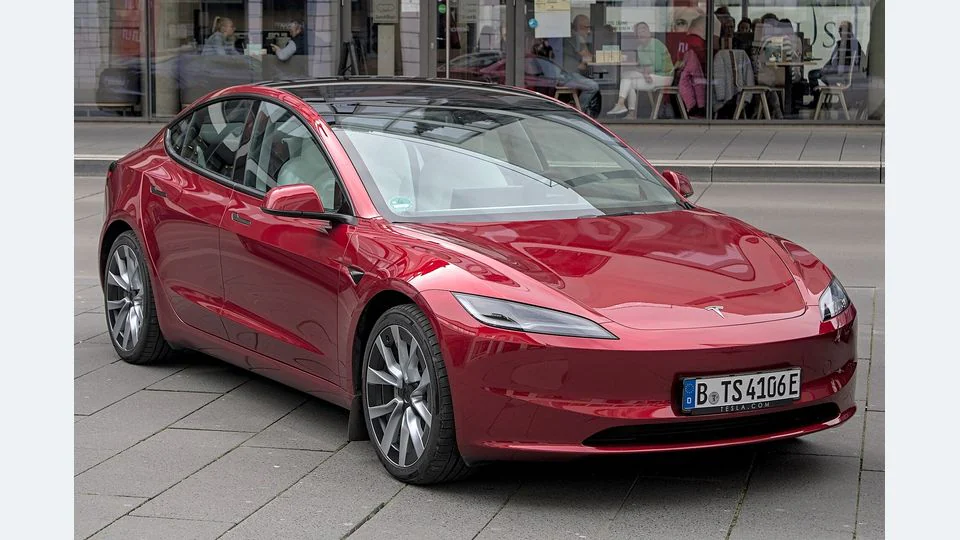
The Model 3 puts propulsion, visibility, safety alerts, and many cabin controls behind interconnected electronics. When a trunk-harness repair, blank rearview image, battery warning, or software remedy does not hold, the sequence of Tesla app visits can be more important than any single diagnostic code.
$0 out of pocket under our written representation terms · when you win, the manufacturer pays the legal fees · all 50 states
A Model 3 may qualify when a warranty-covered condition is substantial and Tesla cannot correct it after reasonable opportunities, or the car spends significant time unavailable for repair. Eligibility depends on the complete repair record and applicable federal and state law, not the existence of a recall alone.
Free 60-second check · $0 out of pocket · no obligation.
Start with the repair history
The key question is not whether other Model 3 owners had the same complaint. It is whether your own substantial defect arose under warranty and remained unresolved after a reasonable opportunity to repair it.
A written factory or certified pre-owned warranty covered the concern when it first appeared. An expired warranty today does not necessarily erase that history.
The same symptom returned, the service center could not duplicate it, parts or updates did not fix it, or the vehicle accumulated significant downtime.
The problem is more than an annoyance and materially limits the Model 3’s operation, reliability, value, or safe use.
What happens next
Share what the Model 3 does, when it happens, the warning messages, and each attempt to diagnose or repair it.
We compare the warranty and repair timeline with the federal Magnuson-Moss Warranty Act and the applicable state lemon law.
The facts may support pursuing a refund, replacement, or cash-and-keep settlement. Availability varies, and no result is guaranteed.
Vehicle-specific issue guide
Depending on model year, trim, and powertrain, the themes below have been documented in public NHTSA records and manufacturer safety campaigns. They are starting points for organizing your records—not a claim that every Model 3 is affected.
Repeated trunk opening can stress the coaxial cable carried in the lid harness on some Model 3 vehicles, interrupting the rearview-camera feed. Document intermittent failures even if the image returns after the trunk is moved or the display is restarted.
Certain computer and software conditions can leave the rearview image delayed or unavailable at startup. A recurring loss after an update, or a computer replacement that does not resolve it, deserves its own service entry.
A high-voltage battery contactor can open unexpectedly in affected configurations, leaving the accelerator unable to command propulsion. Preserve the alert, towing information, and any contactor or pack work listed on the repair invoice.
A hood-latch state that is not detected can prevent the driver from receiving an open-hood warning. If the vehicle continues to report the wrong hood status after software or latch service, record each recurrence.
Seat-occupancy inputs and reminder logic have been the subject of Tesla service updates. Persistent missing chimes, false warnings, or restraint alerts should be tied to the occupied seat and the conditions under which they appear.
Software can affect whether a tire-pressure monitoring malfunction remains visible across drive cycles. Note whether the problem is a failed sensor, an inaccurate reading, or a warning that disappears before the underlying fault is repaired.
Build the paper trail
Export or screenshot Model 3 service conversations before they disappear from the app. Match each concern to the invoice, odometer reading, firmware version, days unavailable, and a photo or video of any black screen, warning message, trunk-harness symptom, or charging failure.
Common questions
They can when the loss is recurring and materially affects rear visibility or use of the vehicle. Record whether the display was black, delayed, or unavailable; whether moving the trunk changed the symptom; and whether Tesla installed a harness guide, replaced the harness or computer, or only updated software.
Keep the update notice and test the exact function afterward. An update may be a meaningful repair opportunity when it was Tesla's stated remedy, but a later recurrence should be opened as a new service request rather than left only in a personal note.
No single symptom automatically controls eligibility. A battery or contactor fault may be substantial because it causes loss of torque, prevents the car from entering Drive, restricts charging, or repeatedly requires towing, even if the vehicle restarts on another occasion.
Potentially, when the defect arose while a Tesla written warranty or qualifying certified pre-owned warranty was in effect. The purchase date, warranty transfer, first repair date, and state of registration all affect the available federal and state-law paths.
Possible outcomes include a cash-and-keep settlement, refund, or replacement, depending on the claim and governing state law. A statutory buyback is not automatic. Stop Lemons evaluates Model 3 claims nationwide under Magnuson-Moss and associates local counsel when another state's lemon law governs.
Related guides
Share the repair history for a free case review. We’ll explain which federal and state warranty options may fit—without promising an outcome.