It started under warranty
A written factory or certified pre-owned warranty covered the concern when it first appeared. An expired warranty today does not necessarily erase that history.
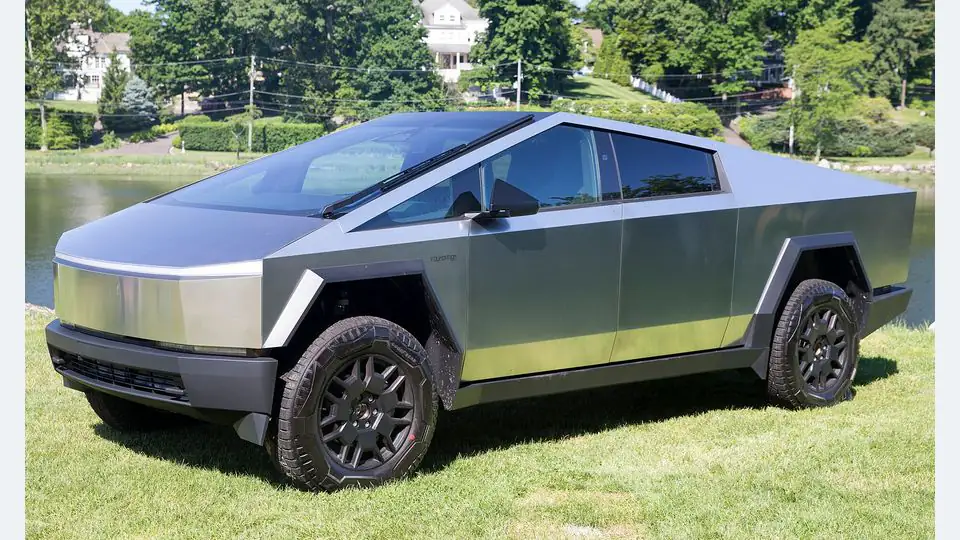
Cybertruck repair histories can involve unusually specific hardware: accelerator-pedal trim, a large single-arm wiper, drive-inverter electronics, and bonded stainless exterior panels. When those components or their software remedies repeatedly fail, precise photos and Tesla app records can show how the truck's use and safety were affected.
$0 out of pocket under our written representation terms · when you win, the manufacturer pays the legal fees · all 50 states
A Cybertruck may support a warranty claim when a substantial covered defect persists after Tesla has reasonable repair opportunities or the truck accumulates significant days out of service. Recall status can be useful evidence, but individual eligibility depends on the actual repair history and governing law.
Free 60-second check · $0 out of pocket · no obligation.
Start with the repair history
The key question is not whether other Cybertruck owners had the same complaint. It is whether your own substantial defect arose under warranty and remained unresolved after a reasonable opportunity to repair it.
A written factory or certified pre-owned warranty covered the concern when it first appeared. An expired warranty today does not necessarily erase that history.
The same symptom returned, the service center could not duplicate it, parts or updates did not fix it, or the vehicle accumulated significant downtime.
The problem is more than an annoyance and materially limits the Cybertruck’s operation, reliability, value, or safe use.
What happens next
Share what the Cybertruck does, when it happens, the warning messages, and each attempt to diagnose or repair it.
We compare the warranty and repair timeline with the federal Magnuson-Moss Warranty Act and the applicable state lemon law.
The facts may support pursuing a refund, replacement, or cash-and-keep settlement. Availability varies, and no result is guaranteed.
Vehicle-specific issue guide
Depending on model year, trim, and powertrain, the themes below have been documented in public NHTSA records and manufacturer safety campaigns. They are starting points for organizing your records—not a claim that every Cybertruck is affected.
The accelerator pedal pad can dislodge in affected trucks and become trapped against interior trim, interfering with pedal operation. The service record should say whether Tesla secured the pad or replaced the pedal assembly.
Electrical overstress within the wiper-motor controller can stop the large front wiper from functioning. A repeat loss of wiping after motor replacement or electrical work should be documented as a visibility concern.
A fault within the drive inverter can stop it from producing torque without advance warning. Preserve the on-screen instruction, towing record, and inverter part description from Tesla's invoice.
Low-voltage system and shutdown logic can delay the rearview image when the Cybertruck is shifted into reverse. Record how long the image remains unavailable and whether the same behavior returns after firmware installation.
Bonded exterior pieces can loosen, delaminate, or separate from the deck rail or cantrail assembly. Cabin noise, visible panel lift, and repeat adhesive or assembly replacement should be photographed before service.
Software can affect whether a Cybertruck's TPMS malfunction telltale remains visible across drive cycles. Compare a manual pressure reading with the display and note whether Tesla updated software or diagnosed a sensor.
Build the paper trail
Photograph loose sail or cantrail panels, capture camera and TPMS warnings, and preserve any alert that accompanies reduced or lost torque. Keep Tesla's work description for accelerator, wiper-motor, inverter, adhesive, and software repairs rather than relying on the appointment title alone.
Common questions
Potentially. A claim can consider the overall warranty history, including whether separate accelerator, inverter, wiper, camera, or panel problems substantially impaired use, value, or safety and how long the truck was unavailable. The defects do not have to share one cause, but each needs clear documentation.
Photograph the exact edge and gap before touching it, note any new wind or cabin noise, and open a Tesla service request referencing the prior adhesive or assembly work. Do not describe it only as cosmetic if the panel appears capable of separating while driving.
Not automatically. A successful replacement may resolve the defect, while repeat loss of torque, extended downtime, or additional failed repair opportunities may remain relevant. Keep the alert, tow, diagnosis, part replacement, and post-repair symptoms together.
The same core question applies: did Tesla's warranty remedy correct a substantial defect within a reasonable opportunity? Save the release number and installation date for a camera or TPMS update, then create a new service request if the identical condition returns.
Depending on federal and state law, a matter may resolve as cash-and-keep, refund, or replacement. A buyback is not guaranteed. Stop Lemons handles qualifying matters on contingency with generally $0 out of pocket and associates local counsel where another state's lemon law applies.
Related guides
Share the repair history for a free case review. We’ll explain which federal and state warranty options may fit—without promising an outcome.