It started under warranty
A written factory or certified pre-owned warranty covered the concern when it first appeared. An expired warranty today does not necessarily erase that history.
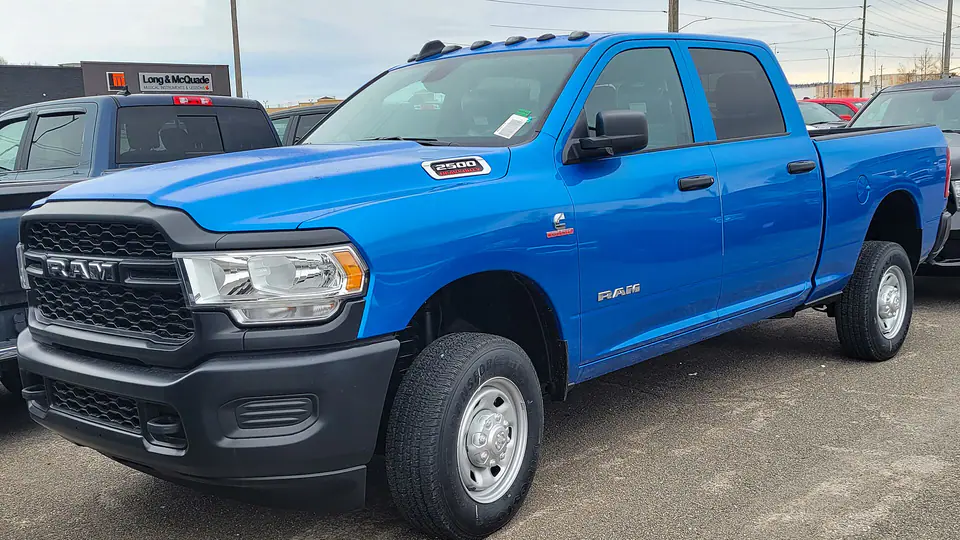
A Ram 2500 is commonly chosen for towing and commercial-grade work, making fuel-system contamination, transmission fluid pressure, brake-module failure, or an underhood relay fault especially disruptive. Configuration-specific records help show whether repairs restored the truck's intended capability.
$0 out of pocket under our written representation terms · when you win, the manufacturer pays the legal fees · all 50 states
A Ram 2500 may qualify when a substantial covered defect continues after reasonable repair opportunities or keeps the truck unavailable for a significant period. Engine, transmission, cab, use, warranty terms, and state law all affect the review.
Free 60-second check · $0 out of pocket · no obligation.
Start with the repair history
The key question is not whether other 2500 owners had the same complaint. It is whether your own substantial defect arose under warranty and remained unresolved after a reasonable opportunity to repair it.
A written factory or certified pre-owned warranty covered the concern when it first appeared. An expired warranty today does not necessarily erase that history.
The same symptom returned, the service center could not duplicate it, parts or updates did not fix it, or the vehicle accumulated significant downtime.
The problem is more than an annoyance and materially limits the 2500’s operation, reliability, value, or safe use.
What happens next
Share what the 2500 does, when it happens, the warning messages, and each attempt to diagnose or repair it.
We compare the warranty and repair timeline with the federal Magnuson-Moss Warranty Act and the applicable state lemon law.
The facts may support pursuing a refund, replacement, or cash-and-keep settlement. Availability varies, and no result is guaranteed.
Vehicle-specific issue guide
Depending on model year, trim, and powertrain, the themes below have been documented in public NHTSA records and manufacturer safety campaigns. They are starting points for organizing your records—not a claim that every 2500 is affected.
A failed pump in certain Cummins-equipped trucks can introduce debris throughout the fuel system and cause a stall or no-start. Preserve samples, filter debris, pump findings, and the full parts list for any system replacement.
Pressure and heat buildup in affected transmissions can expel fluid from the dipstick tube and create a fire risk. Document fluid odor or smoke, temperature, towing conditions, and transmission or venting repairs.
A module fault can disable antilock braking, stability control, and traction control on certain Ram 2500s. Keep warning photos, codes, module replacements, and records of long parts delays.
The intake-air heater relay can short internally on affected diesel trucks, potentially producing heat or fire even when parked. Preserve odor, smoke, melted-part, battery-disconnect, and relay-replacement records.
Misaligned strikers can allow an unsecured tailgate, while camera or radio software can leave the rear image unavailable. Note cargo, trailer connection, display behavior, and each latch or software remedy.
Loose wiper linkages, side-curtain inflators, and restraint hardware have required attention on certain heavy-duty Rams. Identify the exact seating position or visibility component and confirm the VIN-specific repair.
Build the paper trail
Keep diesel fuel receipts and samples, payload and trailer weights, transmission temperatures, scan codes, ABS warnings, relay or wiring photos, and all parts-delay records. Ask the dealer to itemize pumps, injectors, valve bodies, hydraulic units, and software rather than describing an assembly only.
Common questions
Preserve fuel receipts, a sealed sample if available, filter or metal-debris photos, diagnostic codes, the dealer's contamination analysis, and a parts list showing whether pumps, rails, lines, and injectors were replaced.
Not merely because the truck was towing within rated limits. Record trailer weight, payload, grade, ambient temperature, transmission temperature, and fluid behavior to establish ordinary intended use and the exact failure.
Keep the diagnosis, warning lights, part-order date, dealer messages, loaner or rental records, and every day the truck was unavailable or unsafe to use. Downtime can matter independently of repair count.
A battery disconnect may be a temporary safety instruction, not proof of a completed repair. Preserve that instruction and obtain an invoice for the relay inspection, replacement, and any wiring or heat damage.
Consumer-product status can depend on ownership and primary use. Purchase, registration, tax, and use records should be reviewed with the written warranty; applicable state lemon-law coverage may use different standards.
Related guides
Share the repair history for a free case review. We’ll explain which federal and state warranty options may fit—without promising an outcome.