It started under warranty
A written factory or certified pre-owned warranty covered the concern when it first appeared. An expired warranty today does not necessarily erase that history.
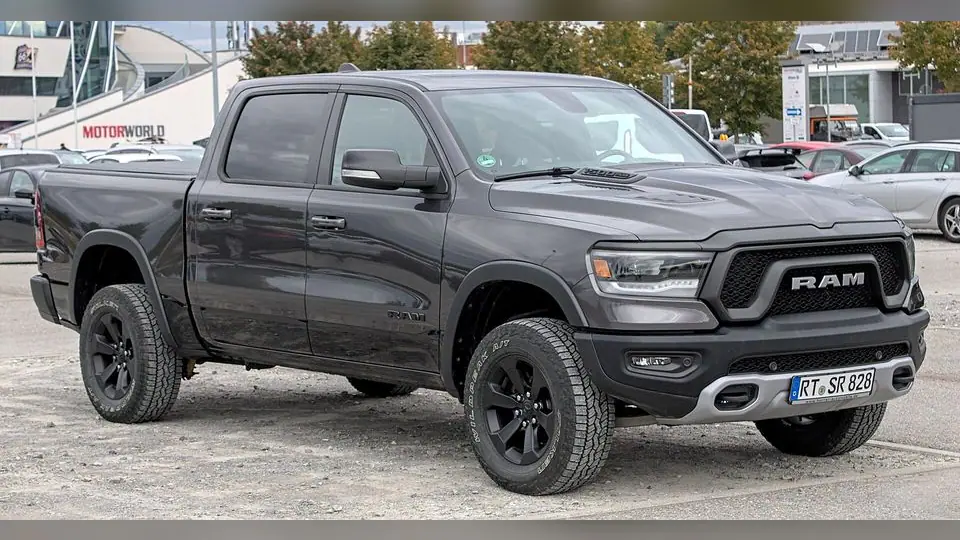
The Ram 1500 blends truck hardware with electronic steering, brake, camera, and mild-hybrid controls. A loose battery ground can affect steering, radio software can remove a rear image, and a powertrain calibration can produce a stall, so a precise chronology matters more than a generic 'electrical issue' label.
$0 out of pocket under our written representation terms · when you win, the manufacturer pays the legal fees · all 50 states
A Ram 1500 may support a claim if a substantial warranty-covered defect persists after reasonable repair opportunities or causes significant downtime. The generation, engine, eTorque system, drivetrain, and repair dates must be reviewed against the written warranty.
Free 60-second check · $0 out of pocket · no obligation.
Start with the repair history
The key question is not whether other 1500 owners had the same complaint. It is whether your own substantial defect arose under warranty and remained unresolved after a reasonable opportunity to repair it.
A written factory or certified pre-owned warranty covered the concern when it first appeared. An expired warranty today does not necessarily erase that history.
The same symptom returned, the service center could not duplicate it, parts or updates did not fix it, or the vehicle accumulated significant downtime.
The problem is more than an annoyance and materially limits the 1500’s operation, reliability, value, or safe use.
What happens next
Share what the 1500 does, when it happens, the warning messages, and each attempt to diagnose or repair it.
We compare the warranty and repair timeline with the federal Magnuson-Moss Warranty Act and the applicable state lemon law.
The facts may support pursuing a refund, replacement, or cash-and-keep settlement. Availability varies, and no result is guaranteed.
Vehicle-specific issue guide
Depending on model year, trim, and powertrain, the themes below have been documented in public NHTSA records and manufacturer safety campaigns. They are starting points for organizing your records—not a claim that every 1500 is affected.
A loose battery-ground fastener or contamination within the steering gear on affected trucks can cause a loss of electric steering assist. Record steering effort, warnings, and whether ground or gear replacement resolved it.
Software in certain Ram 1500 antilock-brake modules can disable stability control, traction control, or related functions. Preserve lamp behavior, scan results, and the installed software level.
Radio or trailer reverse steering software can leave the rear image unavailable, delayed, or persistently displayed. Note the selected camera, trailer connection, screen state, and whether an update held.
Misaligned tailgate strikers can prevent a secure latch on certain pickups, allowing cargo to leave the bed. Record spontaneous opening, repeated adjustments, latch parts, and cargo conditions.
A powertrain software condition on some 5.7-liter eTorque trucks can cause the engine to shut down. Other configurations may show harsh shifting or internal transmission concerns; identify the exact powertrain and remedy.
Loose wiper arms, instrument-cluster illumination, and occupant-restraint controller conditions have affected particular Ram 1500s. Photograph the failed function and retain hardware or module replacement details.
Build the paper trail
For each Ram 1500 visit, note payload, trailer use, four-wheel-drive mode, engine and eTorque configuration, speed, temperature, warnings, and whether a restart changed the symptom. Keep calibration numbers, ground repairs, camera photos, and tailgate latch invoices.
Common questions
Yes, on affected configurations a poor ground can interrupt electric steering assist. The repair order should identify voltage findings, the ground fastener, stored steering codes, and whether assist failed again after repair.
Note speed, gear, auto-stop state, battery warnings, fuel level, restart behavior, and the powertrain calibration. Keep towing records and identify whether the dealer updated software or replaced hardware.
It can when the visit addressed an unlatching or closure complaint. Make sure the invoice states the tailgate would not remain latched and lists striker adjustment, latch replacement, and the result of a pull test.
They can be evaluated within one warranty history, but each defect and repair opportunity should remain separately documented. Their combined impact on safe use and downtime may still be relevant.
No. Visit count is only one factor, and remedies depend on defect severity, warranty coverage, downtime, state law, and other facts. Possible outcomes include cash-and-keep, refund, or replacement.
Related guides
Share the repair history for a free case review. We’ll explain which federal and state warranty options may fit—without promising an outcome.