It started under warranty
A written factory or certified pre-owned warranty covered the concern when it first appeared. An expired warranty today does not necessarily erase that history.
The ID.4 depends on high-voltage battery electronics, propulsion software, a 12-volt system, touch displays, and electronically monitored doors. A loss-of-propulsion warning, interrupted charging, blank screen, or door that opens unexpectedly should be tied to exact software and hardware remedies.
$0 out of pocket under our written representation terms · when you win, the manufacturer pays the legal fees · all 50 states
An ID.4 may support a warranty claim when a substantial defect covered by Volkswagen's new-vehicle or applicable battery warranty persists after reasonable repair opportunities or causes significant downtime. Battery coverage and the general warranty must be evaluated separately.
Free 60-second check · $0 out of pocket · no obligation.
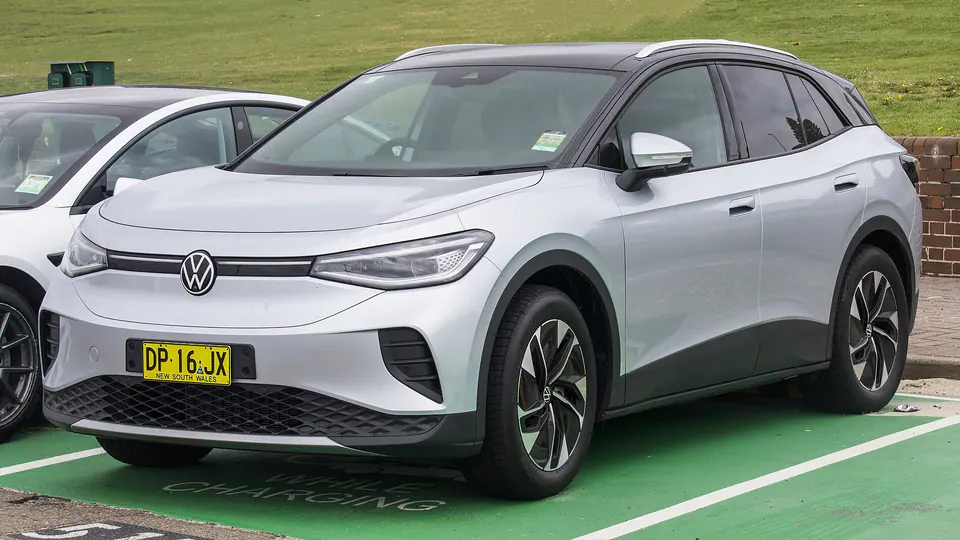
Start with the repair history
The key question is not whether other ID.4 owners had the same complaint. It is whether your own substantial defect arose under warranty and remained unresolved after a reasonable opportunity to repair it.
A written factory or certified pre-owned warranty covered the concern when it first appeared. An expired warranty today does not necessarily erase that history.
The same symptom returned, the service center could not duplicate it, parts or updates did not fix it, or the vehicle accumulated significant downtime.
The problem is more than an annoyance and materially limits the ID.4’s operation, reliability, value, or safe use.
What happens next
Share what the ID.4 does, when it happens, the warning messages, and each attempt to diagnose or repair it.
We compare the warranty and repair timeline with the federal Magnuson-Moss Warranty Act and the applicable state lemon law.
The facts may support pursuing a refund, replacement, or cash-and-keep settlement. Availability varies, and no result is guaranteed.
Vehicle-specific issue guide
Depending on model year, trim, and powertrain, the themes below have been documented in public NHTSA records and manufacturer safety campaigns. They are starting points for organizing your records—not a claim that every ID.4 is affected.
Incorrect soldering, defective cell modules, or thermal concerns in affected batteries can produce warnings, reduced performance, shutdown, or fire risk. Preserve cell-module findings and the precise scope of battery repair.
Software on certain early ID.4 vehicles can reset battery-management or pulse-inverter controls and cause a loss of propulsion. Record speed, state of charge, warnings, restart behavior, and installed software.
An improperly installed sealing ring on affected motors can allow coolant into the unit, potentially causing a loss of propulsion. Keep coolant warnings, leak findings, and motor replacement records.
Water can enter affected electronic door handles and allow an unexpected opening. Record weather, wash exposure, door and speed, latch warnings, and whether handle or door-control repairs held.
Software or control-unit faults can cause the center screen or rear image to go blank, reboot, or remain unavailable. Photograph the state safely and keep every update and module replacement.
Some ID.4 configurations have required 12-volt charging-cable or brake-warning remedies. Preserve battery tests, no-start conditions, brake feel, displayed alerts, and wiring or software work.
Build the paper trail
Save ID.4 state-of-charge and charging-session records, app messages, warning photos, software versions, battery-module numbers, 12-volt tests, tow bills, door-handle videos, and every unavailable day. Note charger type, ambient temperature, speed, and whether a reset restored operation.
Common questions
Yes. A cell, circuit, thermal, or battery-management fault can cause warnings, reduced power, shutdown, or module replacement, while range varies with conditions. Preserve diagnostic state-of-health and module findings, not just dashboard range.
Record charger type and location, starting state of charge, ambient temperature, app and vehicle messages, charging curve or session receipt, and whether the same charger worked with another vehicle.
It may when Volkswagen identified it as the remedy for the reported condition. Keep the update notice and version, then document any repeat display, camera, battery-management, or propulsion failure.
Note which door, weather or wash exposure, whether the vehicle was moving, warning messages, latch behavior, and handle or control-module parts. Video can be useful when the fault is intermittent and can be captured safely.
Depending on facts and law, possible relief includes cash-and-keep, refund, or replacement. Battery replacement is a warranty repair, not an automatic buyback, and no legal outcome is guaranteed.
Related guides
Share the repair history for a free case review. We’ll explain which federal and state warranty options may fit—without promising an outcome.