It started under warranty
A written factory or certified pre-owned warranty covered the concern when it first appeared. An expired warranty today does not necessarily erase that history.
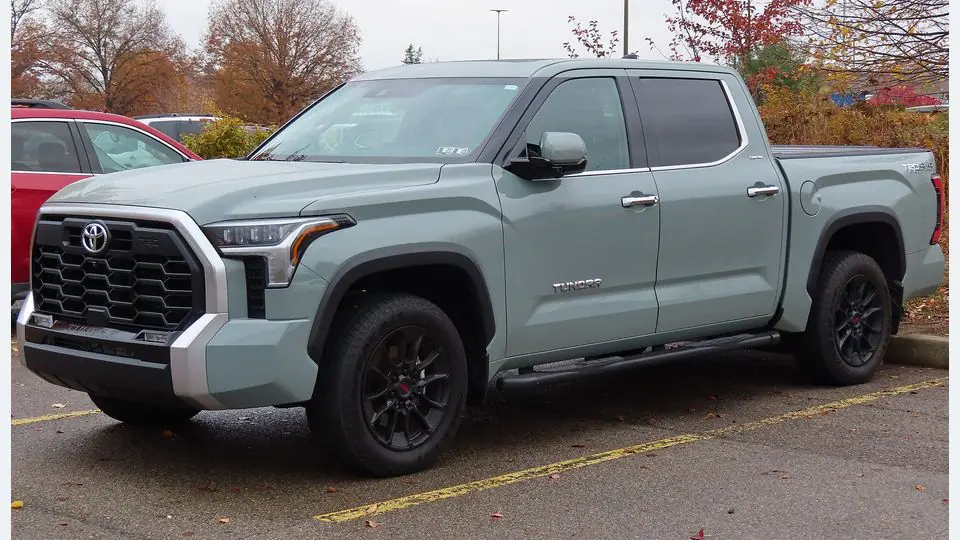
A Tundra used for commuting, work, or towing can become unreliable when an engine loses power, a fuel tube leaks, axle hardware loosens, or Park and camera systems fail. Configuration and repair chronology are especially important on redesigned and hybrid trucks.
$0 out of pocket under our written representation terms · when you win, the manufacturer pays the legal fees · all 50 states
Tundra campaigns differ between prior-generation trucks, V35A gasoline models, hybrids, tow packages, and accessory equipment. Eligibility is determined from the owner-specific warranty and repair record, not from the presence of a campaign alone.
Free 60-second check · $0 out of pocket · no obligation.
Start with the repair history
The key question is not whether other Tundra owners had the same complaint. It is whether your own substantial defect arose under warranty and remained unresolved after a reasonable opportunity to repair it.
A written factory or certified pre-owned warranty covered the concern when it first appeared. An expired warranty today does not necessarily erase that history.
The same symptom returned, the service center could not duplicate it, parts or updates did not fix it, or the vehicle accumulated significant downtime.
The problem is more than an annoyance and materially limits the Tundra’s operation, reliability, value, or safe use.
What happens next
Share what the Tundra does, when it happens, the warning messages, and each attempt to diagnose or repair it.
We compare the warranty and repair timeline with the federal Magnuson-Moss Warranty Act and the applicable state lemon law.
The facts may support pursuing a refund, replacement, or cash-and-keep settlement. Availability varies, and no result is guaranteed.
Vehicle-specific issue guide
Depending on model year, trim, and powertrain, the themes below have been documented in public NHTSA records and manufacturer safety campaigns. They are starting points for organizing your records—not a claim that every Tundra is affected.
Certain 2022-2024 Tundras with V35A engines were addressed for manufacturing debris that could contaminate the engine, damage main bearings, and cause stall or loss of drive power.
A campaign for certain 2022-2023 Tundra and Tundra Hybrid trucks describes a plastic fuel tube rubbing against brake lines. Save inspections, protective work, leak evidence, and line replacement.
Some 2022 trucks were recalled because flange nuts could loosen and allow an axle-shaft assembly to separate. Record vibration, leaks, clunks, torque checks, and axle work.
Certain 2022-2024 Tundra and Tundra Hybrid vehicles were included in a transmission campaign involving unexpected movement while in Neutral without the brakes applied.
Multiple campaigns address a missing, incorrect, or blank rearview image on some 2022-2025 trucks. Preserve the selected gear, weather, screen image, and every programming attempt.
Some redesigned Tundras were addressed for a blank combination-meter LCD or an electronic parking brake that might not engage. Save screen photos, warnings, and control-unit work.
Build the paper trail
Keep engine serial and replacement records, oil analyses or teardown findings, fuel-line inspections, axle and alignment measurements, transmission software versions, camera photos, towing/load details, and every day the Tundra waited for major parts.
Common questions
Not necessarily. Preserve the initial failure, teardown findings, authorization, downtime, replacement details, diminished use, and any later knocking, warnings, oil problems, or power loss so counsel can evaluate the full repair history.
Keep photos of chafing or leakage, the line and brake-pipe inspection results, protective materials installed, fuel odors, and follow-up complaints. A campaign completion should be paired with proof of any recurring leak.
Yes. Save the torque procedure, axle-seal or shaft work, alignment, vibration speeds, and later inspections. Repeated symptoms after retorque or replacement can be relevant to whether the remedy held.
No automatic conclusion should be drawn. Preserve the trailer or load weight, factory tow rating, maintenance, modifications, and Toyota's written causation diagnosis so normal use can be distinguished from excluded damage or misuse.
List each condition separately with its repair attempts and safety impact, then combine the downtime chronologically. Different defects can contribute to the overall warranty history, but each still needs accurate evidence.
Related guides
Share the repair history for a free case review. We’ll explain which federal and state warranty options may fit—without promising an outcome.