It started under warranty
A written factory or certified pre-owned warranty covered the concern when it first appeared. An expired warranty today does not necessarily erase that history.
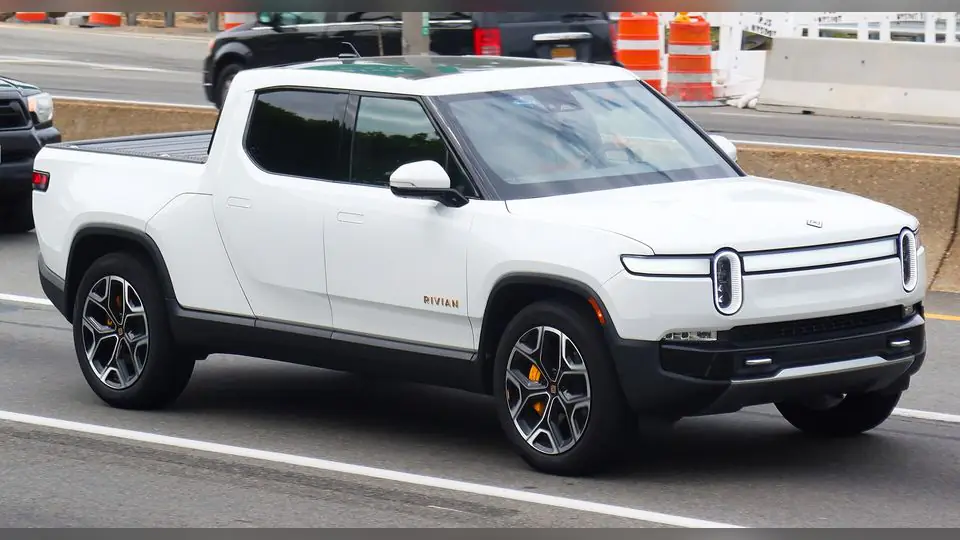
An R1T may be used like a work truck while its steering, restraint, climate, and drive controls depend on tightly integrated electronics. When a suspension inspection, airbag correction, or software update does not end the symptom, the mobile and service-center records need to tell one continuous story.
$0 out of pocket under our written representation terms · when you win, the manufacturer pays the legal fees · all 50 states
An R1T may qualify when a warranty-covered defect substantially affects use, value, or safety and Rivian cannot correct it within reasonable opportunities, or the truck accumulates substantial repair downtime. Recall status alone neither proves nor defeats a claim.
Free 60-second check · $0 out of pocket · no obligation.
Start with the repair history
The key question is not whether other R1T owners had the same complaint. It is whether your own substantial defect arose under warranty and remained unresolved after a reasonable opportunity to repair it.
A written factory or certified pre-owned warranty covered the concern when it first appeared. An expired warranty today does not necessarily erase that history.
The same symptom returned, the service center could not duplicate it, parts or updates did not fix it, or the vehicle accumulated significant downtime.
The problem is more than an annoyance and materially limits the R1T’s operation, reliability, value, or safe use.
What happens next
Share what the R1T does, when it happens, the warning messages, and each attempt to diagnose or repair it.
We compare the warranty and repair timeline with the federal Magnuson-Moss Warranty Act and the applicable state lemon law.
The facts may support pursuing a refund, replacement, or cash-and-keep settlement. Availability varies, and no result is guaranteed.
Vehicle-specific issue guide
Depending on model year, trim, and powertrain, the themes below have been documented in public NHTSA records and manufacturer safety campaigns. They are starting points for organizing your records—not a claim that every R1T is affected.
Certain early R1T vehicles were covered by an occupant-classification campaign because the system might not suppress the passenger airbag for a child or child seat. Document an incorrect indicator or recurring restraint warning with the seat conditions shown.
Improperly tightened front suspension hardware can allow separation and loss of vehicle control. Even short of separation, repeat clunks, wheel movement, pulling, or alignment changes after inspection should be returned for a documented diagnosis.
On affected R1T vehicles, the accelerator sensor could fail to recognize pedal release, preventing auto-hold or park from activating as expected. Note whether the truck crept, the grade, the drive mode, and what Rivian changed.
A software update on certain R1T vehicles could deactivate the defroster and defogger controls. If an update or restart restores the function only temporarily, preserve both software versions and the weather conditions during each failure.
R1T safety records include belt-anchor and retractor-fastener concerns. A loose belt point, abnormal retraction, restraint warning, or repair involving pillar trim should be identified by seating position on every work order.
Improperly aimed headlights can reduce visibility or glare for other drivers, while damaged pillar-trim clips after service may affect airbag deployment. Document whether the concern appeared before or after other body or restraint work.
Build the paper trail
Record whether the R1T was loaded or towing, the road and weather conditions, every warning, the installed software version, and any change in steering, ride height, pedal response, or windshield clearing. Save mobile-service and tow records with the final invoice.
Common questions
Keep the repair order showing which fasteners and components were inspected, their measured condition, any torque or parts work, and the alignment result. If a clunk, pull, or steering vibration returns, record the mileage and open a new Rivian request rather than relying on the prior closed visit.
It may. The grade, drive mode, pedal input, warning state, and whether park or auto-hold engaged are all useful facts. A condition does not have to occur on every drive, but intermittent symptoms need consistent, detailed documentation.
Not necessarily. A successful correction may resolve that defect, while the same symptom returning can show the remedy did not hold. Preserve the update version and give Rivian another documented opportunity when the condition recurs.
Towing does not automatically eliminate warranty rights when the truck was operated within Rivian's specifications. Save load and trailer details because the manufacturer may ask whether the symptom resulted from use, and the repair history must separate a warranted defect from misuse or modification.
The law and repair facts may support pursuing cash compensation while keeping the truck, a refund, or a replacement. A buyback is not automatic. Stop Lemons evaluates Magnuson-Moss claims nationwide and coordinates local counsel when state lemon law is involved.
Related guides
Share the repair history for a free case review. We’ll explain which federal and state warranty options may fit—without promising an outcome.