1
Warranty coverage
The defect arose while a written manufacturer or certified pre-owned warranty covered the vehicle, even if that warranty has since expired.
Ford repair histories can look very different across an F-150, Explorer, Escape, and Bronco, but the useful pattern is the same: a serious symptom returns after dealer work or keeps the vehicle unavailable. Engine valve failures, cracked injectors, Park or axle concerns, black camera screens, and hybrid-system warnings require precise repair orders rather than a generic complaint.
$0 out of pocket under our written representation terms · when you win, the manufacturer pays the legal fees · no obligation
You may have a Ford warranty claim when a substantial defect began under the factory or qualifying certified pre-owned warranty and Ford had reasonable opportunities to fix it. Stop Lemons represents consumers nationwide on federal Magnuson-Moss claims and associates local counsel where the relevant state lemon law applies.
Free 60-second check · $0 out of pocket · no obligation.
Eligibility signals
Warranty claims depend on the repair history and the law that applies—not on a model name or a recall alone. These are the facts that usually matter first.
The defect arose while a written manufacturer or certified pre-owned warranty covered the vehicle, even if that warranty has since expired.
An authorized service center had a reasonable opportunity to repair the same concern, or your Ford spent substantial time unavailable for warranty work.
The unresolved problem materially affects the vehicle’s use, value, or safety. State definitions and required repair opportunities vary.
What happens next
You share the records. A lawyer evaluates the warranty history. Then you get a plain-English explanation of the paths that may be available.
Tell us the year, model, recurring symptom, shop visits, and days your Ford was unavailable.
Lion Legal, P.C. evaluates the federal Magnuson-Moss claim and associates local counsel when another state’s lemon law applies.
Depending on the law and facts, we may pursue a refund, replacement, or cash-and-keep settlement. No outcome is guaranteed.
What owners report and repair
Depending on model year, trim, and powertrain, these issue categories have been documented in public NHTSA records and manufacturer safety campaigns. They do not mean every Ford has a defect, and a recall by itself does not establish a lemon-law claim.
Ford has addressed engine configurations in which intake valves can fracture and others in which injectors can crack and leak. Rough running, fuel odor, smoke, warning lights, reduced power, or engine replacement should be recorded with the exact engine listed on the invoice.
Unexpected downshifts, harsh or delayed engagement, control-module resets, and a vehicle that does not reliably hold Park can substantially affect use and safety. Reprogramming and physical transmission repairs should be tracked as separate attempts.
Axle fasteners, driveline attachments, wheel-speed wiring, and electric parking-brake circuits have required corrective work on Ford vehicles. Clunks, warning messages, unintended brake application, loss of drive, or rollaway concerns deserve an exact written complaint.
Ford camera systems can show a blue, black, frozen, or incorrectly oriented image because of camera hardware, wiring, image-processing, display, or software faults. Note the image color and whether cycling the ignition temporarily restores it.
High-voltage battery cell faults, battery-control software, and hybrid powertrain failures can trigger a Stop Safely Now message, restrict charging, or remove motive power. Preserve state of charge, warning text, and any battery or engine work.
Inoperative wipers, broken door reinforcement welds, loose windshield or roof trim, and poorly bonded glass can impair visibility or safe use. Photos and descriptions of rattling, leaking, separation, or repeat body repairs help establish severity.
Choose your vehicle
Each model guide focuses on a different repair pattern, the records worth saving, and questions owners commonly ask.
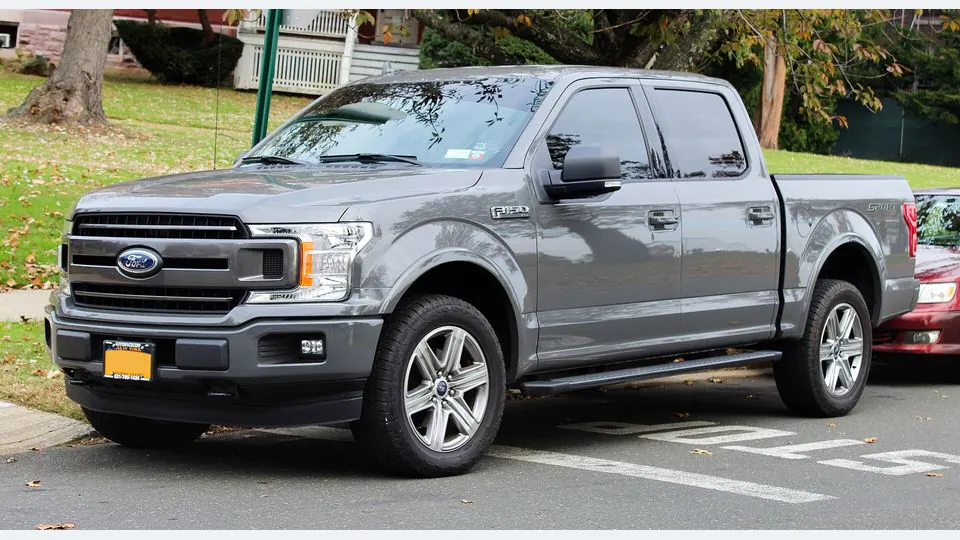
An F-150 may qualify when a factory-warranty defect substantially affects use, value, or safety and returns after reasonable dealer repair opportunities, or the truck spends substantial time out of service. Federal Magnuson-Moss and state-law options depend on the individual warranty and repair timeline.
View F-150 guide →
An Explorer may support a claim when a substantial defect covered by Ford's warranty returns after reasonable repair attempts or causes meaningful time out of service. Stop Lemons evaluates federal Magnuson-Moss claims nationwide, with local counsel associated where state lemon law applies.
View Explorer guide →
An Escape may qualify if a factory-warranty defect substantially affects use, value, or safety and Ford cannot provide a lasting repair within reasonable opportunities. The engine and hybrid configuration, warranty dates, repeat symptoms, and days unavailable determine the federal and state-law analysis.
View Escape guide →
A Bronco may support a claim when a substantial factory-warranty defect continues after reasonable opportunities to repair it or creates significant time out of service. Normal modifications and off-road damage are different from a defect present in Ford-supplied components, so configuration and causation must be documented carefully.
View Bronco guide →
Federal + state protection
Stop Lemons is an advertising name of Lion Legal, P.C.. Its attorneys are licensed in California and represent consumers nationwide on federal warranty claims under the Magnuson-Moss Warranty Act. Where another state’s lemon law governs, the firm associates local counsel licensed there.
Under 15 U.S.C. § 2310(d)(2), a prevailing consumer may recover reasonable attorney’s fees. That fee-shifting structure supports our $0-out-of-pocket representation. Federal recoveries are commonly cash settlements; buybacks and replacements depend on state law, the manufacturer, and the facts, and are not guaranteed.
Common questions
The strongest evidence is not a list of common complaints but a substantial condition on your Ford that the dealer repeatedly tried and failed to correct. Engine failure, loss of power, unintended shifting, inability to hold Park, camera loss, fire risk, or a safety-related body defect can be significant when supported by repair orders.
Keep the invoice because it still proves you presented the concern. Give the dealer a video, warning text, temperature, speed, drive mode, and reproduction steps, and make sure the final order repeats your complaint accurately even if no code or failure appears during the visit.
Potentially. The federal Magnuson-Moss Act can cover consumer vehicles sold with written warranties, and many state laws cover leases; used-vehicle rules vary. The vehicle configuration, original or certified pre-owned warranty, first repair date, and state all matter more than the body style.
No. Those programs can identify a component and provide useful service records, but they do not automatically establish an individual lemon-law remedy. A recurring defect may still matter after the program repair, and a vehicle can have a warranty claim without any open recall.
Stop Lemons, an advertising name of Lion Legal, P.C., represents consumers nationwide under the federal Magnuson-Moss Warranty Act and associates local counsel licensed in the relevant state where that state's lemon law governs. Remedies may include cash-and-keep, refund, or replacement, but buybacks and replacements are not guaranteed.
Tell us what happened and get a free review of the warranty and repair history. No obligation, and no out-of-pocket fees under our written representation terms.